
India MICE: Where Every Region Tells a Different Business Story
Start the Journey
In India, no two corporate programmes need to feel alike. A leadership summit can unfold in the financial heart of Mumbai, an incentive journey can lead through Rajasthan’s royal architecture, and a team retreat can end among Kerala’s waterways and spice plantations. This diversity is more than a tourism advantage. It allows MICE planners to design programmes around the purpose of an event, whether that means celebrating achievement, bringing teams together, launching a product or creating space for strategic thinking. India becomes a destination to approach not as one enormous itinerary, but as a collection of distinct regional experiences connected by a shared spirit of enterprise, creativity and hospitality.
Where Business Moves at Full Speed
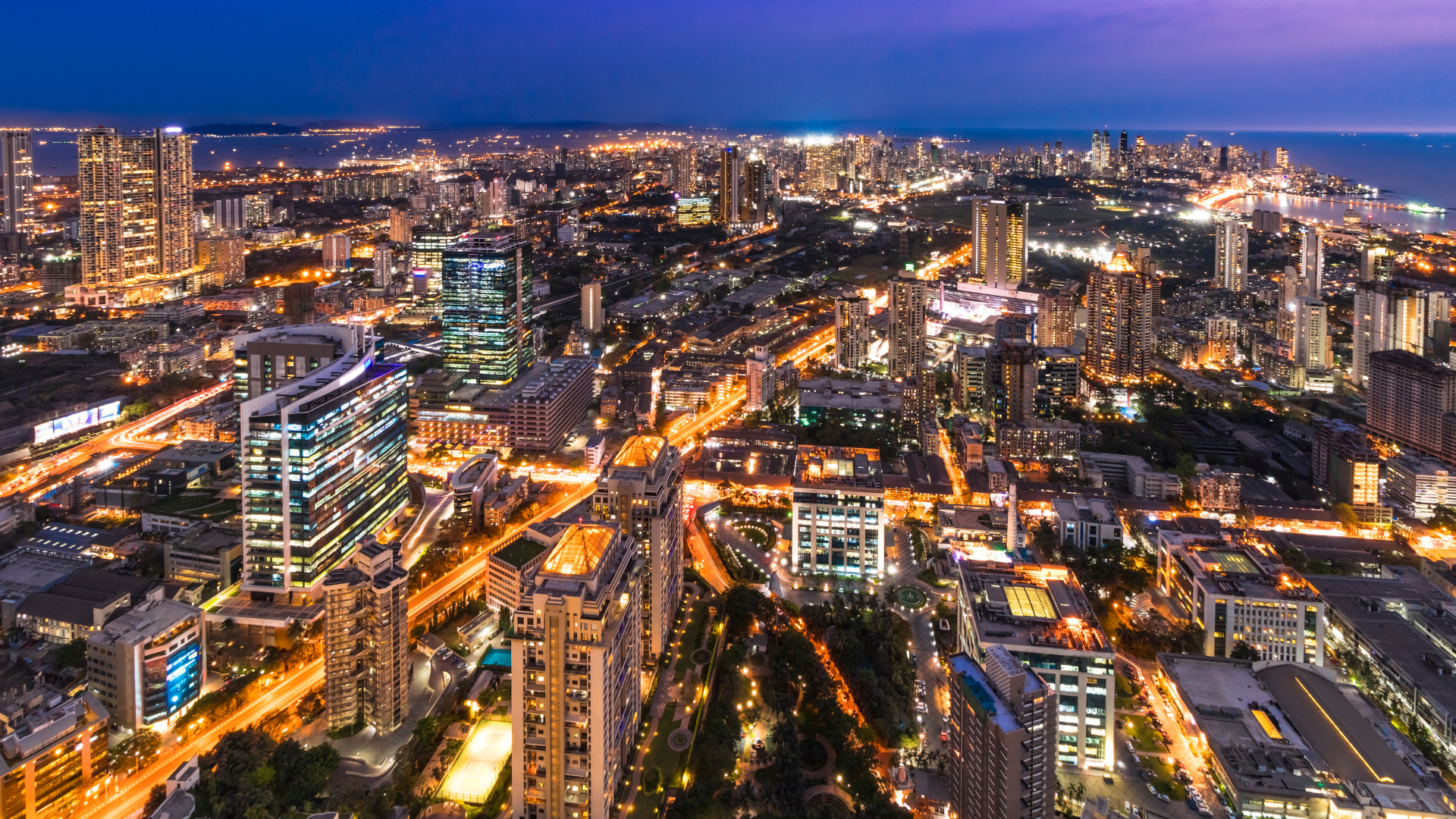
Mumbai is a natural choice for programmes built around leadership, innovation and commercial ambition. India’s financial capital brings together major businesses, creative industries, contemporary hotels and sophisticated event venues. Yet the city’s character extends beyond its boardrooms. Its Art Deco architecture, historic markets, waterfront promenades and celebrated food culture offer opportunities to bring a corporate programme closer to everyday Mumbai. A group might combine a conference with a guided architectural tour, a curated street-food experience or an evening overlooking the Arabian Sea. For a product launch or executive gathering, the city’s mix of established business credentials and contemporary energy creates a strong backdrop.
Royal Architecture with a Modern Purpose
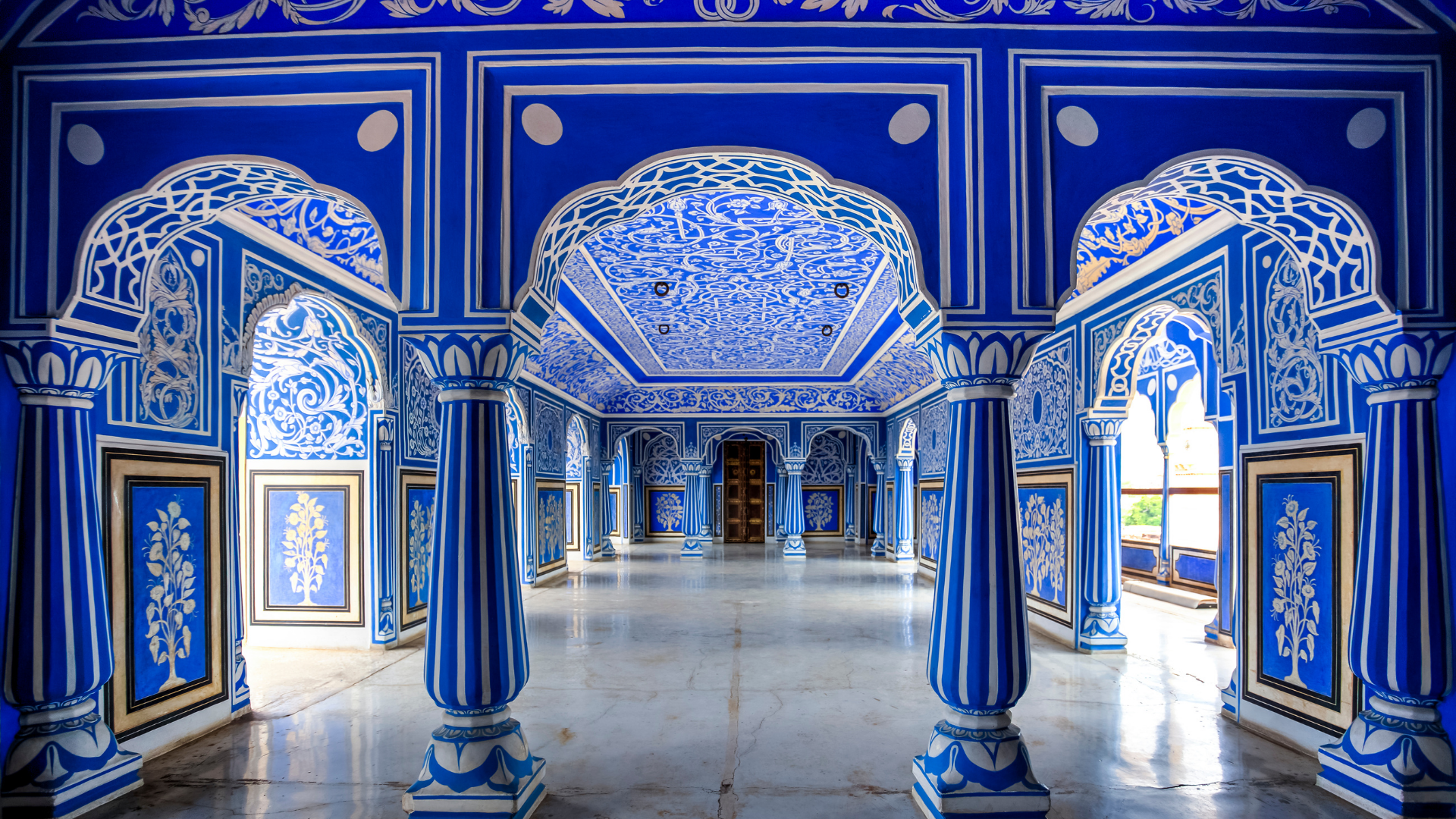
In Rajasthan, the setting can become a central part of the event narrative. Jaipur’s pink-coloured historic centre, Udaipur’s lakeside palaces and Jodhpur’s imposing Mehrangarh Fort each offer a different perspective on the region’s royal heritage. The opportunity for MICE planners is to use this architectural and cultural identity thoughtfully, rather than treating palaces as interchangeable luxury venues. A programme might include a heritage-led incentive journey, a private cultural performance, a craft workshop or a gala dinner inspired by regional design and cuisine. In Jaipur, traditional gemstone craftsmanship and block printing can also provide hands-on experiences that encourage creativity and collaboration. Rajasthan works particularly well for reward travel because it gives participants a strong sense of occasion, something that feels different from the familiar conference hotel format.
A Different Kind of Corporate Retreat
On India’s southwestern coast, Kerala offers a slower rhythm and a different approach to group experiences. The backwaters around Alappuzha and Kumarakom, the tea-growing hills of Munnar and the spice-producing regions of the Western Ghats provide opportunities to build programmes around wellbeing, sustainability, food and nature. A corporate retreat might combine focused working sessions with a guided spice-plantation visit, a regional cooking experience or a boat journey through the backwaters. In place of a packed sightseeing schedule, the destination encourages a more considered pace. For leadership teams and smaller incentive groups, this can be especially valuable: the landscape creates room for conversation while giving participants a genuine connection with the region.
The Details That Make India Distinctive
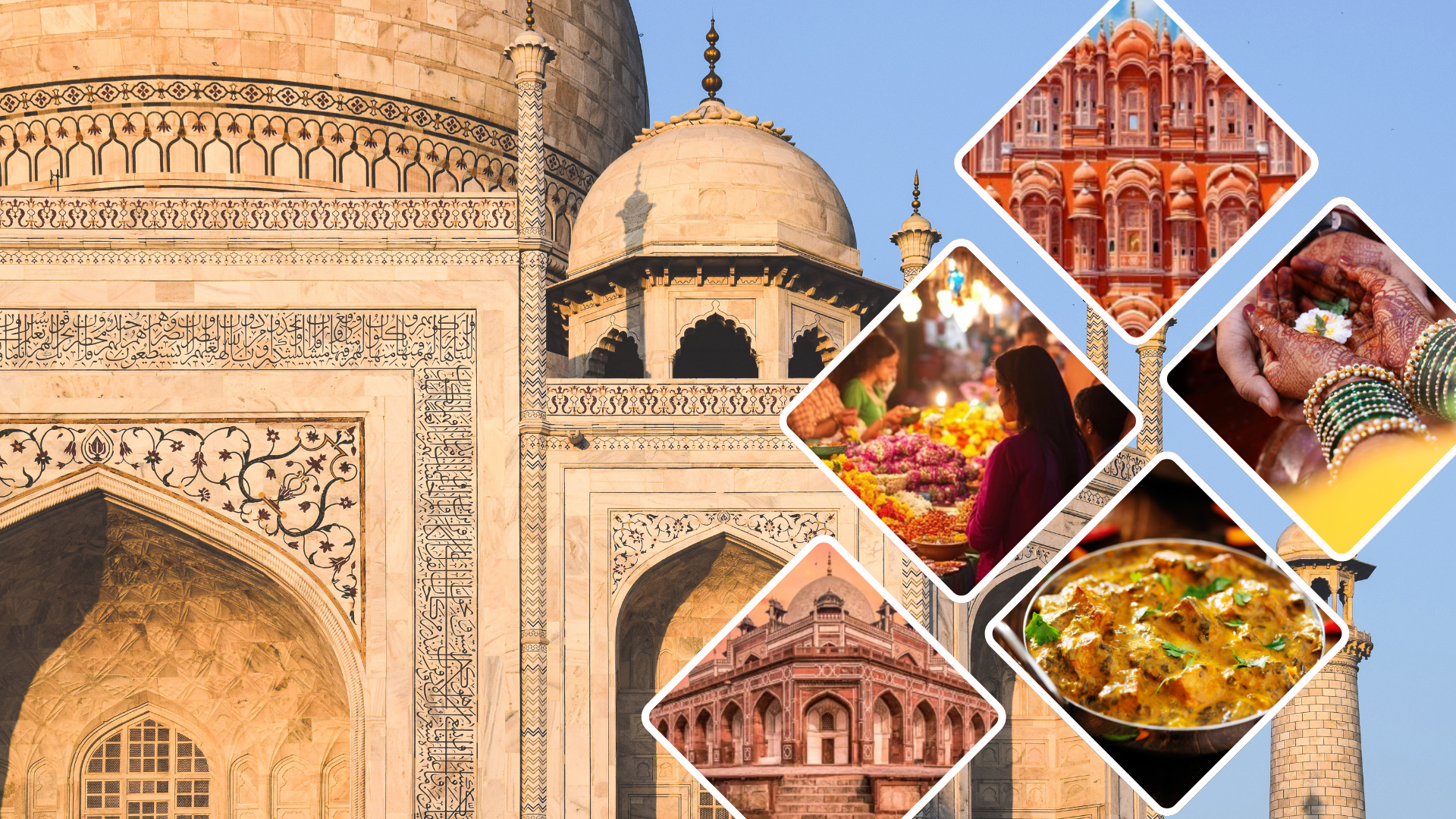
India’s regional character also comes through its food, craft traditions and performing arts. From Gujarati thalis and Rajasthani dal baati churma to Kerala’s appam and regional seafood, culinary experiences can introduce participants to the differences between India’s regions. Traditional textile techniques, pottery, dance and music can similarly become the basis for workshops or cultural encounters developed with local practitioners. The key is to choose experiences that fit the programme and respect the communities behind them. When done well, these encounters give corporate groups a richer understanding of India than a conventional sightseeing itinerary can provide.
Fresh Reasons to Go Now
India is also working to strengthen the way it competes for international business events. In September 2026, industry reporting highlighted a shift towards state-led promotion, with the India Convention Promotion Bureau moving towards an advisory role while individual states and cities develop their own MICE strategies. The direction reflects a practical reality: a country as large as India needs destination-specific approaches to attract conferences and exhibitions. The change follows the Ministry of Tourism’s work on a national MICE strategy, including guidance for city-level Convention Promotion Bureaus and the “Meet in India” sub-brand. The government has also developed a digital MICE catalogue covering infrastructure and facilities across more than 60 Indian cities that hosted G20 meetings during India’s presidency. For event planners, this creates an important opportunity. Beyond the established gateways of Delhi, Mumbai and Bengaluru, a broader range of destinations can be considered according to the scale, audience and objectives of an event.
Designing Programmes Around the Right India
HI DMC specialises in incentive programmes, team-building, meetings, congresses, ground handling and on-site project management around India. Its role is to help clients navigate the country’s regional differences and operational complexity, matching each programme to the right destination, suppliers and experiences. That might mean a business-focused gathering in Mumbai, a reward programme in Goa or a retreat in Kerala. The aim is to create a coherent event in which the destination supports the business objective rather than competing with it. India’s greatest MICE advantage is not simply the number of places it offers. It is the variety of stories those places can tell. With the right local expertise, each programme can have its own character, and a reason for participants to remember it.